. Beautiful Pakistan: Cities of Pakistan
  • RSS
  • Facebook
  • Youtube
  • We have moved to new website As of today, all new content will only be posted on the new site
  • Lakes In Pakistan

    We have been moved to our new website. As of today, all new content will only be posted on the new site which can be accessed by going to: http://truthaboutpakistan.com/

  • Lakes In Pakistan

    We have been moved to our new website. As of today, all new content will only be posted on the new site which can be accessed by going to: http://truthaboutpakistan.com/

Showing posts with label Cities of Pakistan. Show all posts

Sunday, March 06, 2011

Quetta Pakistan

Posted by khubaib abbasi On 3:33 PM

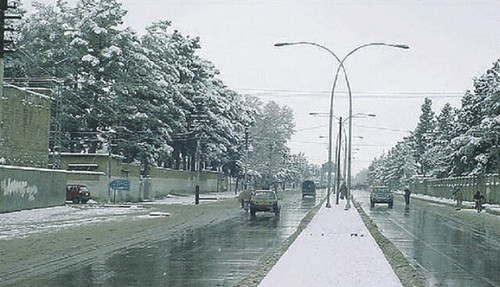
Quetta is the largest city and the provincial capital of the Balochistan Province of Pakistan. Quetta is known as the "Fruit Garden of Pakistan", due to the diversity of its plant and animal wildlife. Situated at an average elevation of 1,654 metres (5,429 ft) above sea level. Quetta sits near the Durand Line border with Afghanistan and is an important trade and communications centre between the two countries as well as an important military location occupying a vital strategic position for the Pakistani Armed Forces. The city lies on the Bolan Pass route which was once the only gateway to and from South Asia. The city was the closest city to the 1935 and the 2008 earthquakes both of which resulted in a great deal of damage to the city and significant loss of life. Quetta has a desert climate (Köppen BWk) with a significant variation between summer and winter temperatures. Summer starts in late May and goes on until early September with average temperatures ranging from 24-26 °C (75-78 °F).The highest temperature in Quetta is 42 °C (108 °F) which was recorded on 10th July, 1998.
Quetta is a tourist attraction for foreigners to whom it is advertised as a "thrilling location, full of adventure and enjoyment". Among the attractions are the bazaars located on the Shahrah-e-Iqbal (Kandahari Bazaar) and Shahrah-e-Liaquat (Liaquat Bazaar and Suraj Gang Bazaar. In the bazaars are colourful handicrafts, particularly Balochi mirror work and Pashtun embroidery both of which are admired world-wide. The Pashtun workers are expert in making fine Afghan rugs, with their pleasing and intricate designs, fur coats, embroidered jackets, waist-coats, sandals and other traditional Pashtun items. Also in the city is the army administered Askari Park, constructed in the 1990s and located on Airport Road, which has a children's playground equipped with modern rides, toys and entertainment.

Hanna Lake, which nestles in the hills ten kilometres (six miles) east of the city, is a startling turquoise pool which contrasts markedly with its bare brown surroundings. An attraction for holidaymakers, with facilities for boat hire and a lakeside restaurant, it is crowded by hikers and campers in holiday periods. At one end there is an irrigation dam while on the eastern shore line there is Hayat Durrani Water Sports Academy, the only water sports training center in Balochistan Province. The Hana Lake Development Authority, the Hayat Durrani Water Sports Academy and Merck Marker (Pvt.) Ltd. have planted a range of trees in the Hanna Lake Mountains both for beautification and the protection of the environment .





Sunday, February 13, 2011

Lahore Pakistan

Posted by khubaib abbasi On 12:06 PM

Lahore is the capital of the Pakistan province of Punjab and the second largest city in Pakistan, after Karachi. The Lahore city lies along the Ravi River, situated approximately 25 kilometres (16 mi) from Wagah border crossing and is 32 kilometres (20 mi) from the Indian city of Amritsar.

Historically, Lahore has been a center of cultural heritage for many civilizations. Lahore successively served as regional capital of the empires of the Shahi kingdoms in the 11th century, the Ghaznavids in the 12th century, the Ghurid State in the 12th and 13th century, the Mughal Empire in the 16th century, the Sikh Empire in the early 19th century, and it was the capital of the Punjab region under the British Raj in the mid 19th and early 20th century. The traditional capital of Punjab for a thousand years, Lahore was the cultural center of Northern India extending from Peshawar to New Delhi.[16] Mughal structures such as the Badshahi Mosque, the Lahore Fort, Shalimar Gardens, and the mausolea of Jehangir and Nur Jehan are popular tourist attractions for the city. The population of lahore is approximately 10 million

Other attractive places of Lahore

Lahore Zoo
Established in 1872, was once considered one of the largest zoos in Asia.

The Mall
Historically a key city road, has many buildings from Mughal era and British Rule.

Walled City
Also known as the Old City, is the section of Lahore that was fortified by a city wall during the Mughal era. The wall had 13 gates, and much of the wall remains intact today.

Data Durbar
Complex where Hazrat Syed Abul Hassan ibn Usman ibn Ali Al-Hajweri, the famous Sufi saint of South Asia, is buried. Complex includes Hajveri Mosque, built in pre-Mughal era.

Chauburji
Chauburji has remains of an extensive garden known to have existed in Mughal times. Today, Chauburji is also known for its big bustling markets.

Hiran Minar
Just north of Sheikhupura town (on the outskirts of Lahore) lies a hunting complex known as the Hiran Minar. Hunting grounds were an important part of the physical environment of Mughal emperors, and the Hiran Minar is one of the best known and most beautiful of such sites. Its structures consist of a large, almost-square water tank with an octagonal pavilion in its center, built during the reign of Shah Jahan; a causeway with its own gateway connects the pavilion with the mainland and a 100-foot-high minar, or minaret. At the center of each side of the tank, a brick ramp slopes down to the water, providing access for royal animals and wild game. The minar itself was built by Emperor Jahangir in 1606 to honor the memory of a pet hunting antelope named Mansraj.


Sunday, January 23, 2011

Islamabad Pakistan

Posted by khubaib Abbasi On 3:42 PM

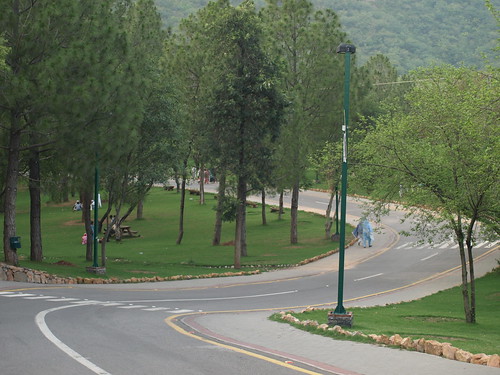
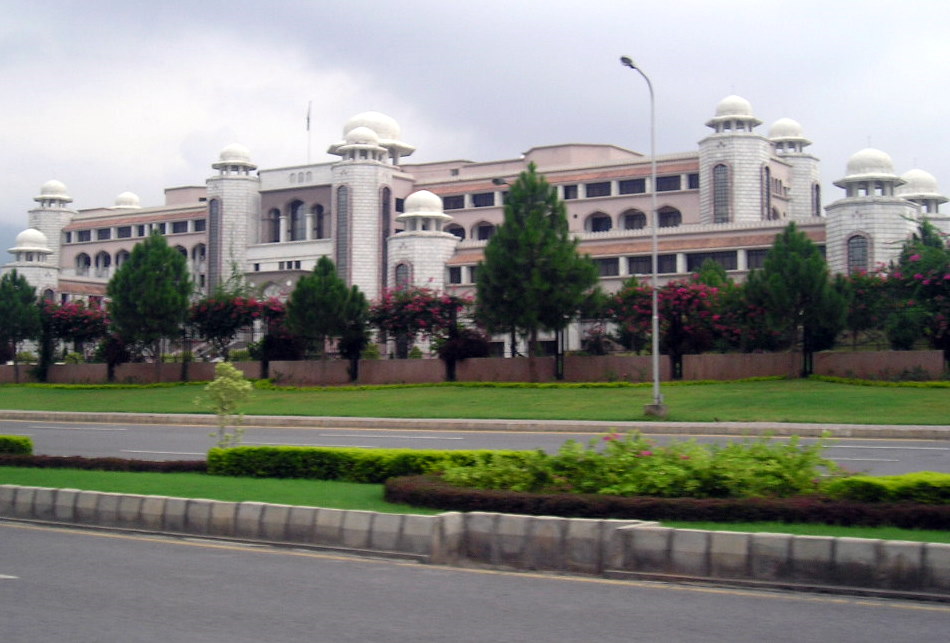
Islamabad is capital city of Pakistan. Islamabad is tenth largest city of Pakistan. Islamabad is very beautiful city in Pakistan. The population Islamabad is more than 1.21 million. Islamabad is located in the Pothohar Plateau in the north of Pakistan. Islamabad is a well-organized city divided into different sectors and zones. Islanabad was ranked as a Gamma world city in 2008. The city is home to the famous Faisal Mosque, the largest mosque in South Asia and the sixth largest mosque in the world. Islamabad has the highest literacy rate in Pakistan and is home to the some of the top ranked universities in Pakistan, including Quaid-i-Azam University, Pakistan Institute of Engineering & Applied Sciences and the National University of Sciences and Technology. Allama Iqbal Open University in Islamabad is the world's largest university by enrollment. Islamabad has attracted people from all over Pakistan, making it the most cosmopolitan city in the country. Islamabad's architecture is a combination of modernity and old Islamic and regional traditions. The Saudi-Pak Tower is an example of the integration of modern architecture with traditional styles. The fastest growing metropolis in the country, Islamabad is progressing and developing rapidly. The city brims with activities, places to visit, cultural and heritage sites and contains a wealth of entertainment. Combining a rich history, the confluence of many a civilization and temperate climate, Islamabad - the capital city of Pakistan, is one of the most beautiful cities in the South Asian region. Wide, tree-lined streets adorn the various sectors and zones of the city, making it accessible and spectacular. Administratively, the city is located within the Islamabad Capital Territory, which is federally controlled, even though historically Islamabad has been a part of the Punjab province; more specifically the Potohar Plateau. A meticulously planned city by renowned town planners Doxiadis Associates, Islamabad is the fastest growing city in terms of population, economy and urban development. As this trend continues, the city is shedding its reputation as a city without character, and is fast becoming truly metropolitan. Although the majority of the population in Islamabad traditionally have been employees of the Federal Government, the wealth of the Musharraf years fuelled a boom in Islamabad and it is becoming an important financial and business city. In the last decade there have been vast changes in the city's traditional reputation. Islamabad is the center of business activities of pakistan.
Dreamland Motel, Hotel Ornate, Four Seasons Hotel, serena hotel and marriot hoet are famous hotels of Islamabad.


View Larger Map

Copyright © 2010 Beautiful Pakistan. Powered by Blogger.